Introducing the RS-Ranger: 3D-printable sailboat
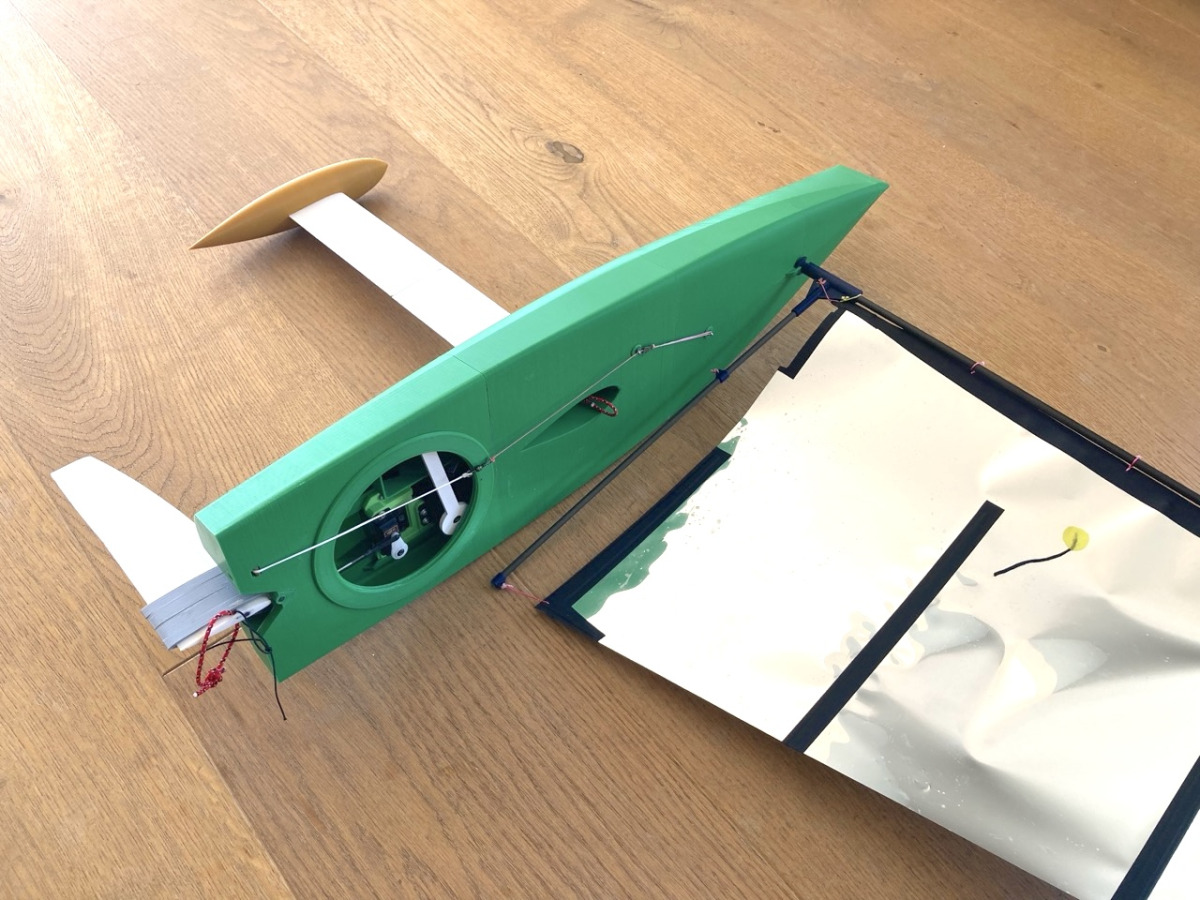
Our latest design is robust, easy to build, and super fun to sail. It features several innovative ideas and is the perfect boat for beginners or classroom use.
The RS-Ranger has been designed to print easily, build quickly and affordably, and transport in a compact form. The keel and rudder simply slide out, and the mast slots into place in seconds. This is the simplest boat design we could dream up, yet it sails with lovely balance and, most importantly, is easy and fun to sail.
This boat is now finished and you can buy the STL files!
Who is this RC yacht designed for?
The RS-Ranger is ideal to stow aboard a keelboat or as a practical, engaging project for school groups.
Simplicity, easy transport, and overall robustness were key design goals. Just as importantly, we wanted the boat to look modern and cool. Every part has been simplified down to its pure essence and practical purpose.
It is also very cost-effective to build, using standard, readily available electronics to keep sourcing easy and affordable.
The lead bulb is a 3D-printed shell filled with lead shot. When handled with gloves, this is a safe and suitable approach for workshop and classroom environments.
Sailing characteristics
The Ranger is a lot of fun to sail. The low, pointy bow slices through the water aggressively, with plenty of water flowing over the deck, making it a very lively boat. Just be glad you’re not on board!
We’ve tested the boat extensively in a wide range of conditions and found it equally enjoyable as a gentle light-wind glider or a high-wind bruiser. Upwind, she points high into the wind for a single-sail boat, thanks to the powerful sail batten system and balanced design. The hanging rudder makes the boat agile and easy to sail, which is ideal for learning.
In one test sail, the boat was washed onto jagged rocks and came away completely unscathed, an epic demonstration of the thick hull skin and robust rudder cassette design.
Main design features
- Hull length: 650mm
- Rudder adds: 45mm (total length 695 mm)
- Beam: 157 mm
- Overall weight: ~1.5 kg
- Sliding keel either up into the hull or completely out of the boat
- Cassette sliding rudder
- Single square top main sail
- 3D-Print Volume needed: 200 × 200 × 200mm (xyz)
The file set includes a range of bulb weights and sail plan sizes, making it ideal for learning about sailing and how different variables affect performance.
The keel slides up and down through an open centre case, using a simple rope loop at the top. It can be fully removed to allow quick bulb swaps. The rudder slides into a permanent cassette that is both strong and satisfying to watch in action while tacking.
The mast slots in backwards and then rotates into place. A small rope clip attaches to the boom, and a locking disk prevents the mast from lifting out.
All rig components are 3D printed and attach to standard 6mm and 5mm carbon tubes. The sail battens are also 3D printed and use spinnaker tape to attach to a one-piece Mylar flat sail. This batten system creates a strong aerofoil shape with a modern square-top mainsail, delivering excellent upwind power.
Instructions & Build Video
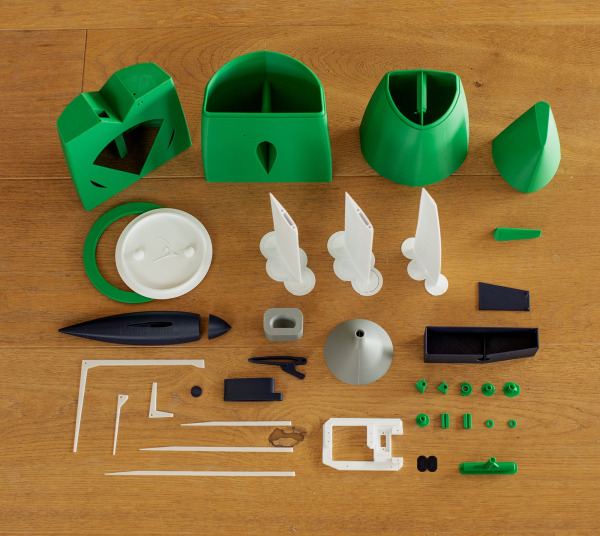
Along with the STL files, you will receive detailed instructions in PDF format. A full build video is also included, covering the entire process from printing and assembly through to tuning and sailing.
The file set also includes several useful printable tools to assist with the build, such as a boat stand, a bulb holder, and a funnel for safely pouring the lead shot.
Availability and pricing
The STL files and building instructions will be available for purchase and download in early 2026.
Personal-use licence: USD $25
Educational and classroom licences will also be available, aligned with other STEM projects.
Keep up to date
To be notified when the files are released, visit our signup page and enter your email address.
Parts list & build costs (AUD)
For a complete materials list in your region take a look at the Materials & Parts Page.
Total Materials Cost = $299 AUD or $198 USD
Some items in this list come in quantities that will cover multiple boats (mylar sail film, polyester resin, braid line, etc.). If you’re building a small fleet, a rough ballpark is that the per-boat cost drops from around $299 for a single boat to roughly $200AUD per boat when building five, depending on what you already have and where you source materials.
You will also need batteries which you will likely already have either 4AAA or 4AA.
You will also need one of these which you also likely already have: RadioMaster Pocket Transmitter Handset = $112AUD
* common items you likely already have.